.png)
%202026.png)
Updated: Jun 12
Practitioner Spotlight
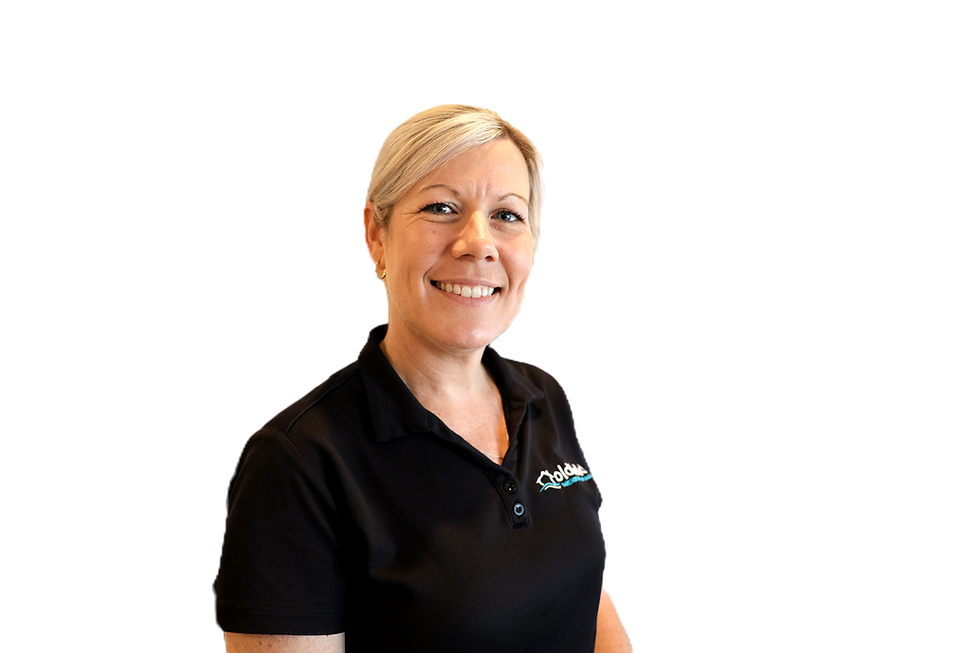
Sarah Mahony | Safety Bay Settlements
“We were constantly reworking files”:
How Safety Bay Settlements brought order to the onboarding chaos.
For Sarah Mahony, Director and Licensee of Safety Bay Settlements, the frustration wasn’t the settlement work itself. It was everything surrounding it.
The missing information. The typo in the sales advice. The client whose phone number was wrong. The questionnaire returned after documents had already been prepared. The staff reminders to “fix that file later”.
Like many conveyancing offices, information was arriving from everywhere at once. Phone calls, emails, PDF forms, sales advice sheets, sticky notes in someone’s brain. And when information surfaced late, the entire matter often had to be reworked.
Sarah says one of the biggest shifts since implementing CCA was simply getting information upfront instead of chasing it later.
“Improvement in efficiency was noticed immediately and I'm no longer losing my sh*t not knowing all the info or asking staff to remember to re-work the matter when questionnaires came back after signing docs... as we have it all in the beginning.”
That blunt honesty probably resonates with more conveyancers than any polished sales pitch ever could.
The problem wasn’t the work. It was the interruptions.
Before using CCA, Safety Bay Settlements relied heavily on manual onboarding processes including sales advice sheets, emails, phone calls and PDF forms. The result was constant interruption.
Chasing missing information. Correcting spelling mistakes. Following up discharge authorities. Fixing incorrect phone numbers and email addresses. Trying to piece together the full scope of a transaction from fragmented conversations.
Sarah estimates that since implementing CCA:
• Manual tasks have reduced by around 20%
• Errors have reduced by approximately 20%
• The office now saves between 5 and 10 hours per week
All because they are spending less time fixing preventable problems.
“Clients are more proactive now.”
One unexpected shift was the client behaviour itself.
Instead of clients waiting passively for updates, Sarah says clients now arrive far more prepared because expectations are introduced early.
They understand:
• what documents they’ll need
• what obligations are coming
• what actions they need to take
That early preparation has reduced follow ups significantly and improved the overall client experience.
“Clients now have a clearer understanding of the process and feel like they are being proactive for their own settlement.”
That matters operationally.
Because every conveyancer knows the difference between a client who understands the process and one who discovers requirements weeks later.
Earlier visibility changes the tone of the entire file
One of the strongest themes from Sarah’s feedback was visibility.
Knowing early:
• who the clients actually are
• whether information is correct
• whether circumstances are run of the mill
• whether something is likely to become a problem later
According to Sarah, Safety Bay Settlements now has a clear understanding of the transaction scope within 24 hours.
That has changed the way files are managed internally.
“If you are too busy, then you need CCA.”
When asked what she would say to another conveyancer hesitant to implement something new, right now, Sarah didn’t sugarcoat it.
“Rip off the bandaid as you need to find the time to be able to save more time later... If you are too busy and don't have the time, then you need CCA.”
That’s probably the most important takeaway from all of this.
The offices getting crushed operationally are often the exact businesses that benefit most from structured onboarding and earlier visibility.
Because at the end of the day, conveyancers still do the heavy lifting. CCA just helps remove some of the chaos surrounding the file before it lands on your desk.
“Priceless.”
When asked how she would describe the value of CCA to another conveyancer, Sarah’s response was immediate:
“Priceless...“It’s just awesome to be able to get all the information up front and less reliant on making follow ups.”
And honestly, that’s probably the biggest takeaway from Sarah’s interview.
The settlement work itself was never the problem. It was the constant chasing, reworking, correcting and piecing together information from everywhere else.
Getting clearer information upfront has simply made the entire process feel calmer, cleaner and easier to manage.
For busy practices like Safety Bay Settlements, that operational breathing room is proving invaluable.